Getting Started with Bachata After 45
Basic steps, timing, and confidence tips for adults discovering bachata for the first time. No prior dance experience needed.
Why Bachata is Perfect After 45
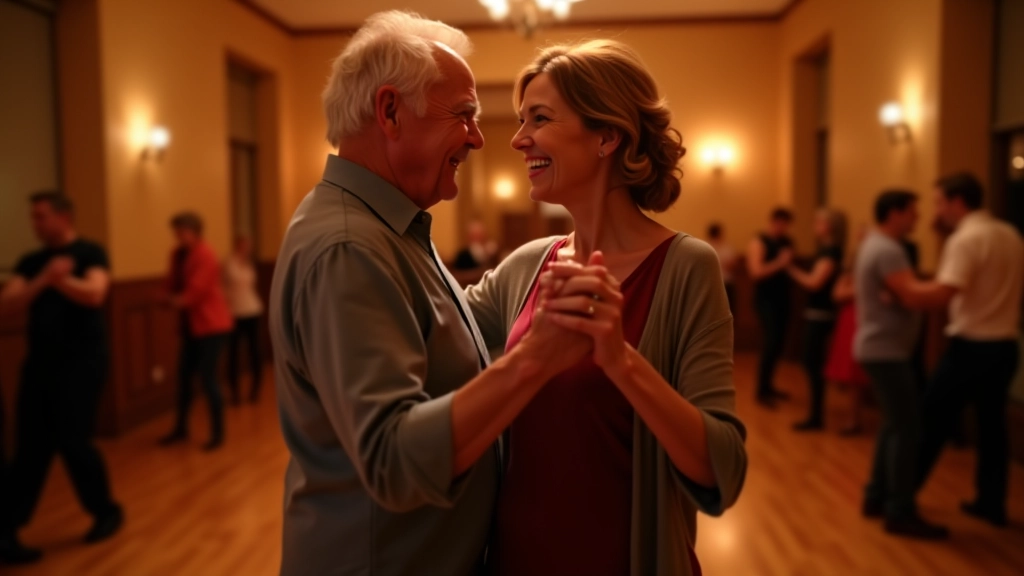
Bachata isn't complicated. It's one of the most approachable partner dances out there — and honestly, that's exactly why so many people over 45 fall in love with it. The rhythm is steady, the steps are logical, and you don't need years of experience to actually enjoy yourself on the dance floor.
The music itself tells you what to do. There's a clear beat, consistent patterns, and the movements flow naturally from the rhythm. Most people pick up the basic step within their first few sessions. Plus, you're not dancing alone — you've got a partner right there with you, which makes the whole experience feel more social and less intimidating.
Low Impact
Gentle on joints with natural body movements that feel good, not forced or stressful.
Social Connection
You'll meet people who share your interests and build real friendships through regular socials.
Beautiful Music
Bachata music is romantic and expressive — you're not just moving, you're feeling something real.
The Basic Step Explained
The bachata basic step is called the "side-to-side" or "box step" — and it's genuinely simple. You're stepping side, together, side, then waiting one beat. That's the foundation. Seriously, that's it.
1
Step side with your left foot
2
Bring your right foot to meet it
3
Step side with your left foot again
4
Hold — don't step. Just wait.
Then you reverse it going right. That entire pattern repeats for the whole song. Once you've got those eight counts down, you're dancing bachata. Everything else — the hip movement, the style, the connection with your partner — builds from there.
Understanding the Beat
Bachata music is typically in 4/4 time, which means there are four beats per measure. But here's the thing — you're dancing on eight counts, and there's a specific rhythm to when you move and when you don't.
The pattern goes: quick, quick, quick, slow, quick, quick, quick, slow. That "slow" is the hold — the beat where nothing happens. Don't rush it. This rhythm becomes almost automatic after a few weeks of practice. Your body starts to feel where that pause should be.
Most beginner classes spend the first two sessions just on counting and basic timing. You'll hear your instructor counting out loud constantly at first. "One, two, three, four-five-six-seven, eight." Eventually you won't need to think about it anymore — you'll just feel it.
Partner Connection & Frame
This is where bachata gets interesting. You're not just dancing next to someone — you're connected. The "frame" is how you hold each other, and it matters more than you'd think.
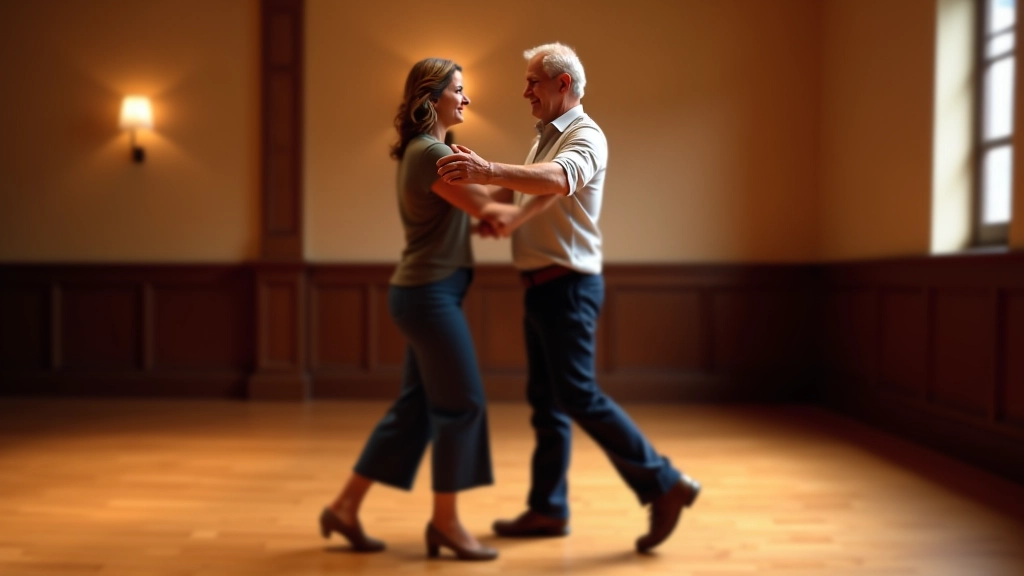
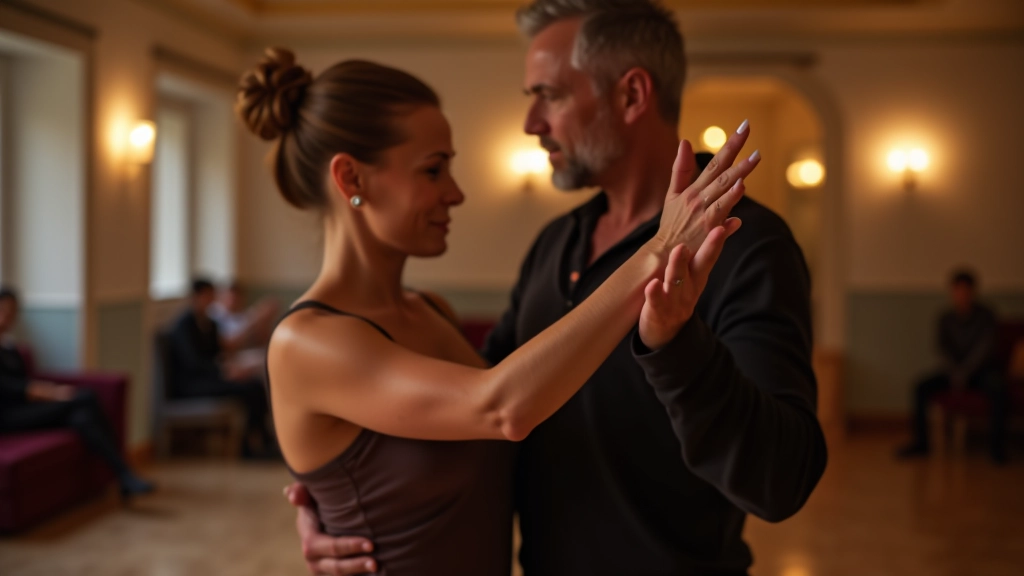
The follower's right hand goes on the leader's left shoulder or arm. The leader's right hand sits gently on the follower's lower back or side. Your other hands hold each other at about shoulder height. It should feel relaxed, not tense. You're guiding and following — not pulling or pushing.
The best part? You don't need to be perfectly matched in height. Bachata works with different body types and sizes. The connection is about communication through your hands and body, not about fitting some ideal. Your partner will feel your movement and respond to it. That's the dance.
Building Confidence in Your First Weeks
First Week: Just Show Up
You're going to feel awkward. That's completely normal. Everyone in your class felt the same way. Your instructor has seen beginners hundreds of times — they know exactly how to help you. Just focus on being present and trying.
Week 2-3: The Basic Gets Easier
By your third session, your feet will start remembering the step without you thinking about every movement. Your brain stops micromanaging and your body just moves. That's when it becomes fun instead of stressful.
Week 4-6: You're Actually Dancing
Around six weeks in, something clicks. You're not thinking about steps anymore. You're listening to the music, feeling your partner's lead, and actually enjoying the experience. That's when people usually try their first social.
Important Note
This guide is for educational purposes to help you understand bachata fundamentals. Everyone's body and fitness level is different. If you have any health concerns, joint issues, or physical limitations, please consult with a healthcare provider before starting dance classes. A qualified instructor will be able to adapt movements to your individual needs and ensure you're moving safely.
Practical Tips for Your First Class
Wear comfortable clothing that lets you move — nothing too tight or restrictive. You don't need special dance shoes right away. Clean sneakers or soft-soled shoes work fine when you're starting out. Just avoid shoes with sticky soles that catch on the floor.
Eat a light meal a couple hours before class, not right before. You'll want energy but not a full stomach. Bring water. Classes move quickly and you'll warm up faster than you expect.
Most importantly — don't compare yourself to people who've been dancing longer. You're learning. Everyone was a beginner once, and most dancers genuinely remember what that felt like. You'll be surprised how encouraging people are.