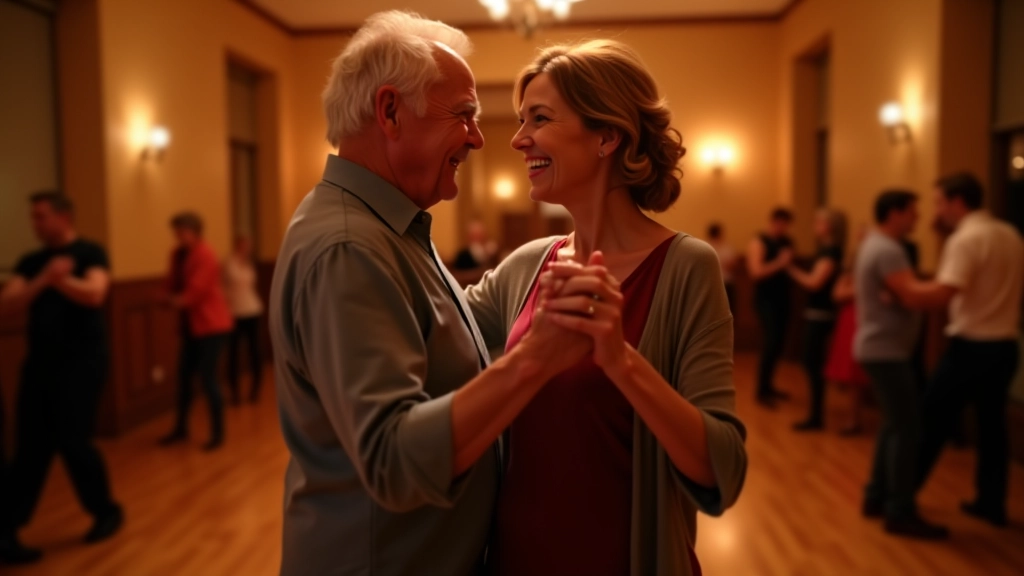
Beginner Latin Dance Classes in Liepāja
Finding the right class, what beginner instruction looks like, and building confidence on the dance floor
Starting Your Dance Journey in Liepāja
Liepāja's dance studios offer something special for people picking up Latin dancing for the first time. It's not intimidating here — studios focus on making sure everyone feels comfortable, regardless of whether you've danced before or not. The beginner classes are structured around learning at a pace that actually makes sense.
What sets beginner instruction apart from jumping into social dancing is the foundation work. You'll spend real time on footwork, timing, and basic partner connection. Most people notice changes in their confidence within 4-6 weeks of regular practice. And honestly, you don't need to be coordinated already — the coaches will show you how to develop it.
What You'll Learn First
- Basic step patterns and timing to music
- How to move your hips and upper body correctly
- Partner connection and leading/following basics
- Balance and body awareness on the dance floor
Finding the Right Beginner Class
Liepāja has about five studios offering regular Latin dance instruction, with classes ranging from twice weekly to daily sessions. The key difference between studios is class size and teaching approach. Smaller groups (8-12 people) give you more individual attention, while larger classes create more energy but less personalized feedback.
Look for classes specifically labeled "beginner" rather than "all levels." Beginner-specific instruction means the instructor builds from the ground up instead of mixing foundations with intermediate material. You'll see faster progress this way. Most studios in Liepāja offer a trial class or two, so test them out before committing. Don't worry about feeling lost — everyone's learning something new.
Class schedules matter too. Evening sessions (6pm-8pm) are popular after work, but early afternoon slots (2pm-4pm) tend to have a calmer vibe if you prefer that. Weeknight classes run 60-90 minutes typically, while weekend workshops sometimes stretch to two hours. Find what fits your rhythm.
Inside a Beginner Class
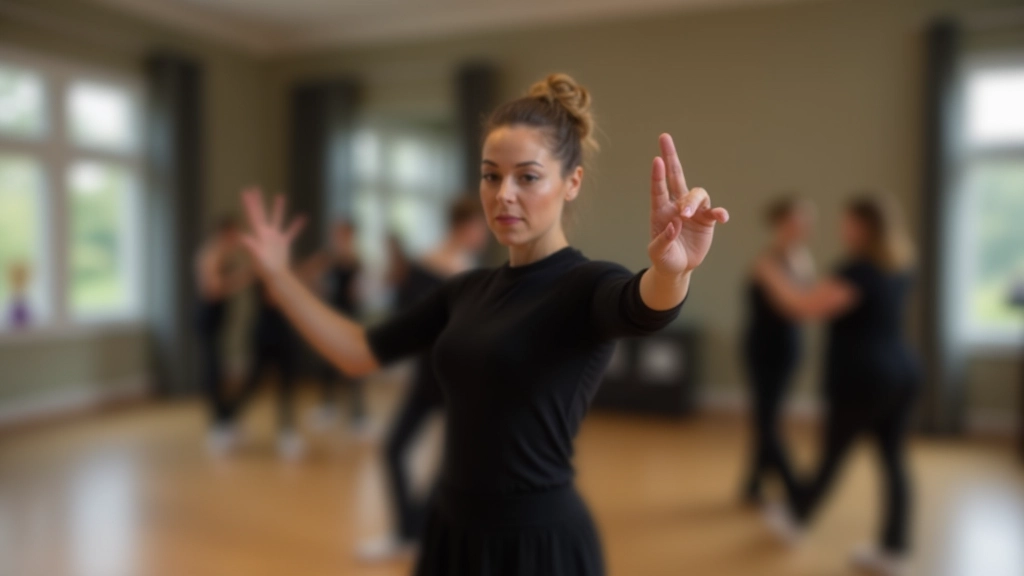
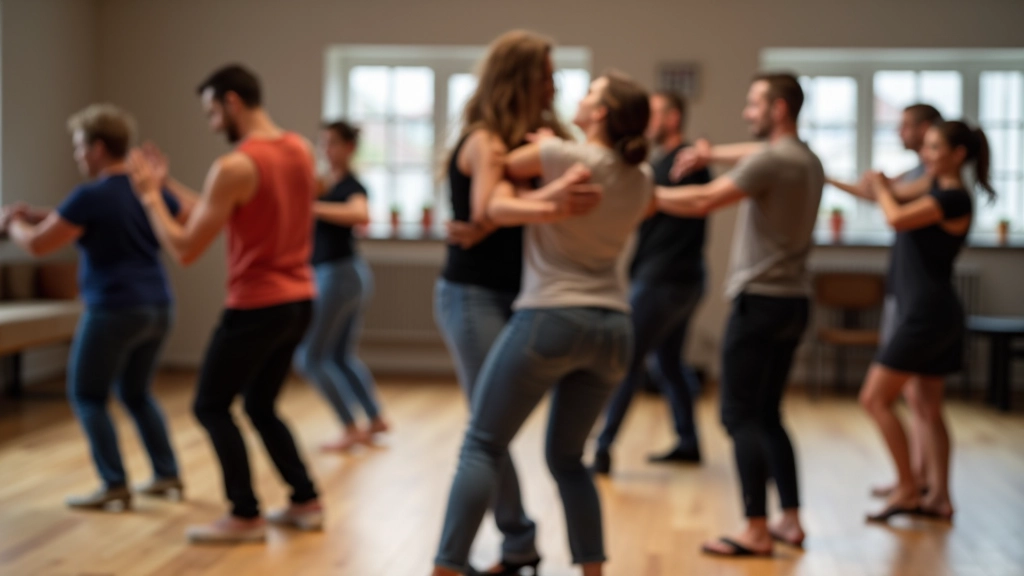
A typical 75-minute beginner session starts with a warm-up — basic movement to get your body loose and ready. This isn't intense cardio, it's about waking up your joints and getting comfortable moving. Then you'll work on fundamentals. The instructor will teach a step pattern, break it down (often teaching it without a partner first), and repeat it until people feel confident.
After mastering the basic step, you'll add a partner and practice the connection. This is where it gets interesting. Leading and following requires communication through your body, not words. Good beginner instructors explain what you're supposed to feel and give lots of practice time. Don't stress if it doesn't click immediately — it's a skill that develops over weeks.
The last 15 minutes often involves putting everything together — maybe a simple combination or a chance to practice the steps with the music at tempo. You're not performing, you're just applying what you learned. It's genuinely fun, even when you're making mistakes.
Important Note
This article provides educational information about beginner Latin dance classes. Class experiences, instructor qualifications, and scheduling vary by studio. Contact studios directly for current class times, pricing, and specific instruction details. If you have physical limitations or health concerns, consult with a healthcare provider before starting any new physical activity.
Building Confidence on the Floor
Here's the thing about beginner classes — everyone in the room is nervous at first. Even people who've danced before feel anxious learning something new. The instructors know this, and good ones create an environment where mistakes are just part of learning. You're not being judged; you're developing a skill.
Confidence builds in stages. First few sessions, you're focused on remembering steps. By week three or four, your feet know the pattern and your brain can relax. Then you start noticing the music differently. Your body finds the rhythm naturally. Around week six, you might actually feel like a dancer instead of someone stumbling through choreography.
The social aspect matters too. You'll recognize faces, chat before class starts, maybe grab coffee after. That community aspect pushes people to keep showing up. And honestly, dancing with the same people every week makes the partner work easier. You build rhythm together.


Related Articles