Salsa Nights in Rīga Old Town: A Guide
Where to find regular salsa social events, what to expect, and how to connect with the Rīga dance community.
Why Rīga's Salsa Scene Is Growing
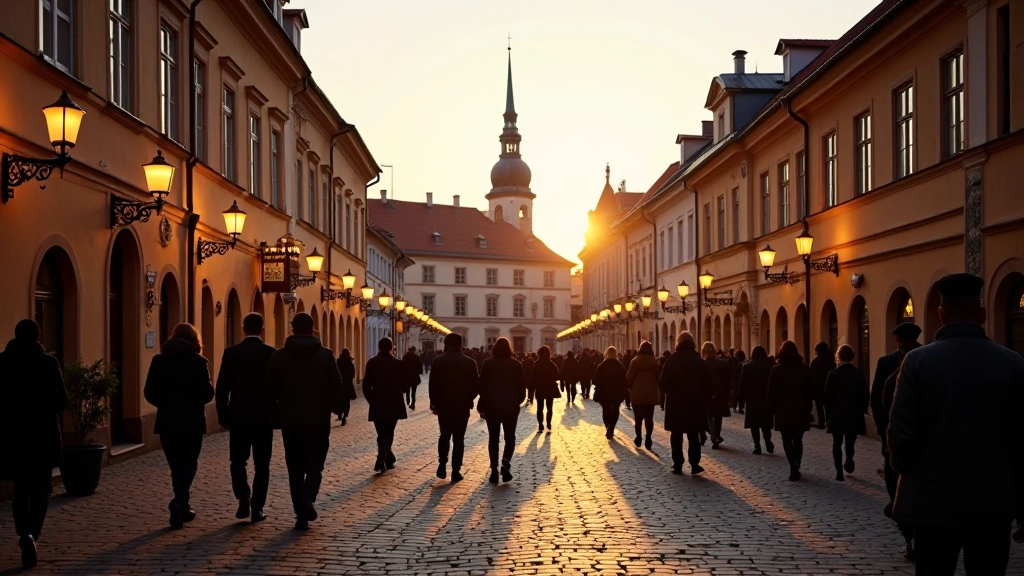
Rīga's Old Town has become a vibrant hub for salsa lovers over the last few years. It's not just the beautiful medieval architecture or the energy of the crowds — it's the community itself. You'll find dancers of all ages, backgrounds, and experience levels gathering regularly to dance, meet new people, and enjoy live music in some of the city's most atmospheric venues.
Whether you're looking to join established socials, find weekly lessons, or simply discover where the action happens, this guide breaks down everything you need to know to get started. We've talked with regulars, visited the main venues, and gathered current information about what's happening right now in the Old Town dance scene.
Quick Facts
- Main venues: 4-5 established locations hosting regular events
- Frequency: Social dances happen 2-3 times per week minimum
- Typical crowd: Ages 25-70, mix of beginners and experienced dancers
- Peak season: May through October (outdoor and festival events)
- Cost: Most socials are free or have minimal entrance fees
Main Venues in Old Town
The heart of Rīga's salsa action centers around a few key locations, each with its own personality. Most are within walking distance of each other — you could literally hop between venues in 10-15 minutes on foot.
The biggest venues host events on Thursday and Saturday nights consistently. Smaller bars and clubs add spontaneous dance nights throughout the week, especially during summer months. What's great is that venues coordinate informally — regulars know the rotation, so you're not hunting around wondering where everyone is.
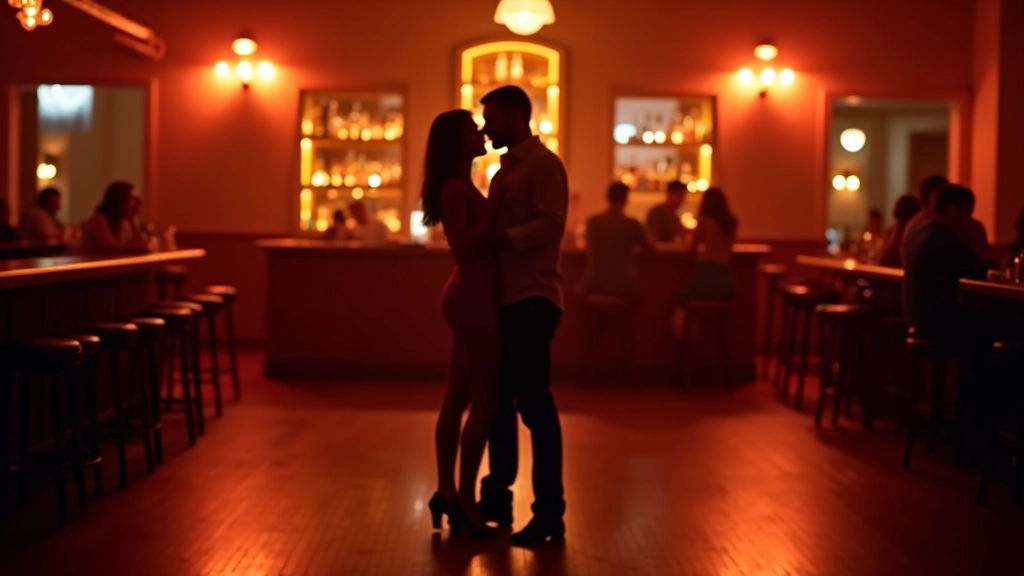
Venues range from dedicated dance clubs with proper sound systems to cozy wine bars with DJ setups. Some have live bands playing salsa and other Latin music. Prices typically run from free entry (you're expected to buy drinks) to about 8-12 euros at larger events with featured performers.
Important Note
This guide provides educational information about salsa social dance venues and events in Rīga as of April 2026. Venue schedules, formats, and availability can change seasonally and without notice. We recommend contacting venues directly or checking local social media pages for current schedules before planning your visit. Always follow venue guidelines and respect local dance etiquette.
Types of Events You'll Find
Not all salsa nights are the same. Here's what typically happens in Rīga's Old Town.
Social Dances (Socials)
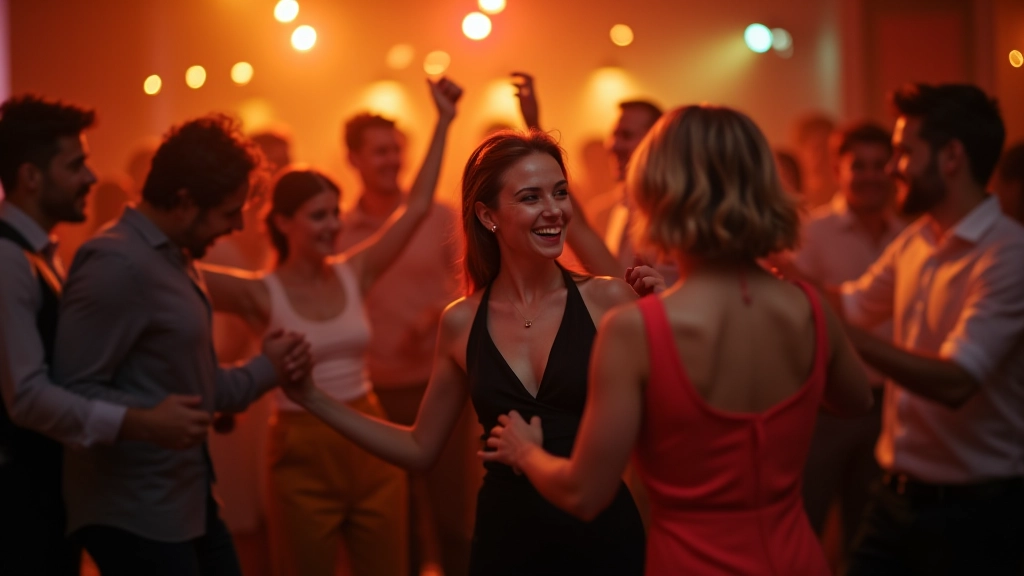
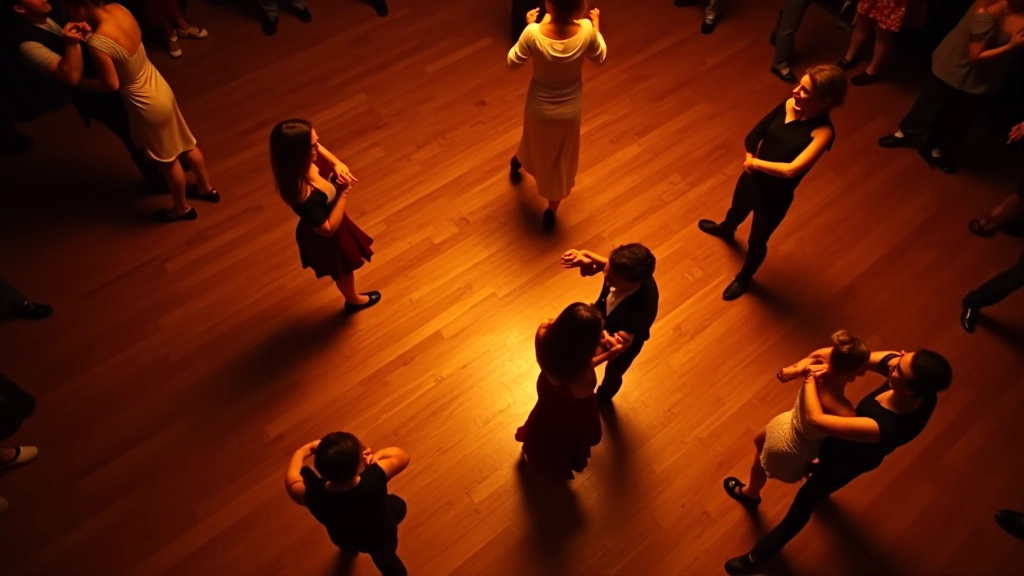
These are the bread and butter of the scene. A social is exactly what it sounds like — dancers show up, the DJ or band plays salsa music, and people dance with rotating partners. There's no choreography, no performance — just real dancing with whoever's on the floor. Socials typically run 9 PM to 1 AM, though some start earlier around 8 PM. You'll see everything from absolute beginners to people who've been dancing for decades. The beauty of a social is you can show up solo, dance with strangers, and leave whenever you want.
Partner Dance Workshops
Some venues host structured lessons before the social starts. A teacher leads 30-60 minutes of instruction, then the social opens up. This is perfect if you want guided learning before jumping into freestyle dancing. Classes cover technique, partner connection, and sometimes specific patterns or styling.
Festival Events
During warmer months, Rīga hosts larger festival-style events with multiple dance floors, live bands, and special performances. These pull in larger crowds and often feature dancers and musicians from across Europe. They're more expensive (15-20 euros) but offer a concentrated dose of Latin dance culture.
Your First Salsa Night: What to Expect
1
Choose Your Venue & Time
Start with a well-known venue on a Thursday or Saturday — these tend to have solid crowds and reliable music. Friday nights can get touristy, so Thursdays are often better for the "real" dance community. Plan to arrive around 9:30-10 PM when the dance floor is warmed up but not overwhelming.
2
Dress for Dancing
Smart casual is the standard. Men typically wear dress pants and a nice shirt. Women wear dresses, skirts, or nice pants — something you can move freely in. Avoid super casual gym wear. Shoes matter: smooth-soled shoes help you pivot and spin. Some people wear actual dance shoes, but good leather-soled street shoes work fine. Comfort matters more than perfection.
3
Navigate the Social
Walk around, make eye contact, smile. If someone asks you to dance, say yes — that's how you learn. If you want to ask someone, approach with confidence. Don't worry about being perfect. The salsa community is genuinely welcoming. If you're really nervous, grab a drink, watch for a few songs, and get a feel for the energy before jumping in.
4
Connect with Regulars
Chat with people at the bar or between songs. Ask where else they dance. Get added to local dance group chats or social media pages. Regulars love welcoming new dancers — they'll point you to workshops, introduce you to partners, and invite you to other events. This is how you move from "new person at a social" to "part of the community."
The Rīga Dance Community
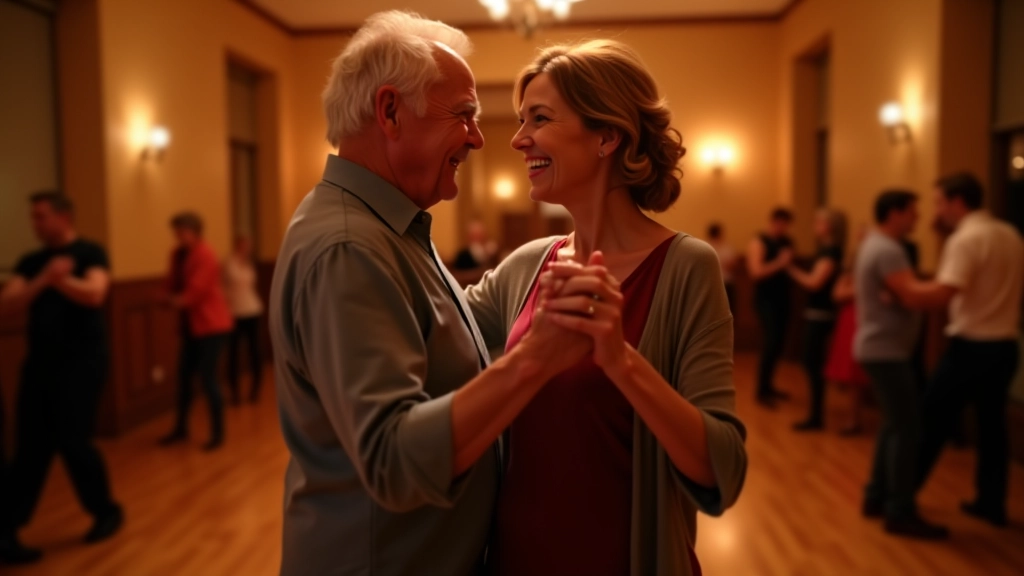
What makes the Rīga salsa scene special isn't just the venues — it's the people. You've got a real mix here. There are retired professionals who danced in their youth and are rediscovering salsa. There are young professionals who found the scene through friends. There are tourists who stumbled into a social and never left. And there are the dedicated dancers who've been at it for 10+ years and basically live on the dance floor.
The community is genuinely inclusive. You won't feel judged for being a beginner. In fact, most experienced dancers remember what it was like starting out, and they're patient with newer people. Women dance with women, men dance with men, and the standard boy-girl partnership also happens. Everyone's there for the same reason: to dance and have fun.
There's a strong seasonal rhythm. Summer brings more tourists and bigger events, which can feel exciting but also crowded. Winter is quieter but tighter-knit — you'll see the same 50-100 dedicated dancers rotating between venues. Both have their charm.
Practical Tips for Your Visit
Budget
Most socials are free or 5-8 euros entry. Factor in drinks — you'll likely spend 15-25 euros on the night total if you have 2-3 drinks. Festival events run higher, around 15-20 euros, but last longer and offer more entertainment.
Timing
Dance floors come alive around 10 PM. Arriving too early (8-9 PM) means empty floors and awkward vibes. Arriving after 11 PM means the floor is packed. Sweet spot: 10-10:30 PM. Events typically wind down around midnight on weeknights, 1-2 AM on weekends.
Etiquette
Always say "thank you" after a dance. If someone says no to a dance invitation, smile and move on — no hard feelings. Don't monopolize partners. Rotate around and dance with different people. Respect personal space on the floor. And hydrate — dancing is exercise, even when you're having fun.
Music & Styles
Most Rīga socials play Cuban-style salsa, but you'll hear some LA style too. The music usually includes salsa, reggaeton, bachata, and sometimes merengue. Don't stress about matching styles perfectly — most dancers can adapt on the fly. Just follow your partner's lead and enjoy the music.
Building Your Skills
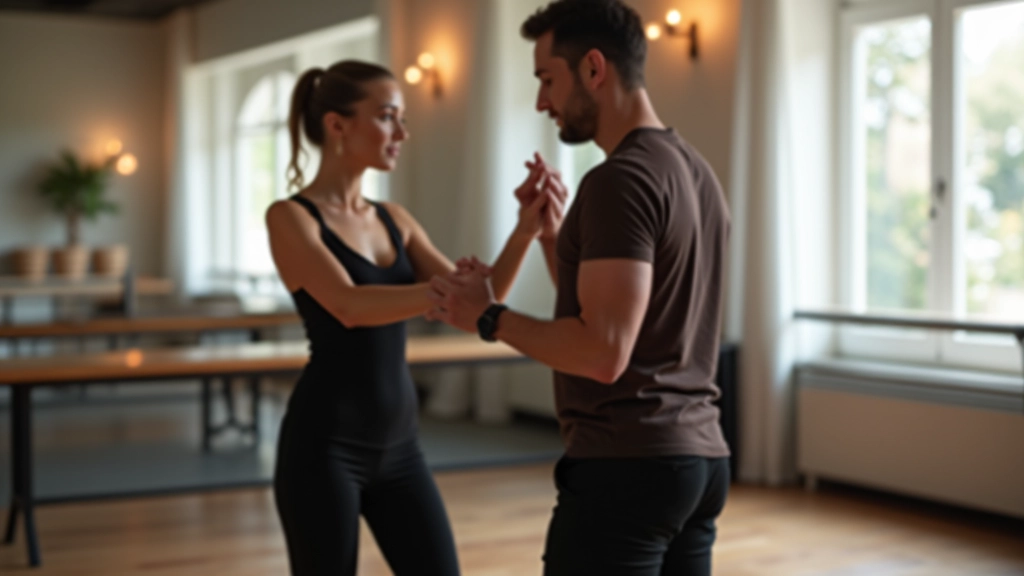
You don't need lessons to enjoy a social, but structured learning accelerates your progress. Many venues offer pre-social workshops (usually 7-8 PM) that run 45 minutes to an hour. These focus on fundamentals like footwork, frame, and partner connection.
If you want deeper instruction, several dedicated dance schools operate near Old Town. They run beginner series that build progressively — typically 4-6 weeks covering the basics, then intermediate classes for people ready to advance. Most offer drop-in classes, so you're not locked into a full session.
The real learning happens on the dance floor though. Every partner teaches you something different. Experienced dancers adapt to your level and push you just enough to improve without making you feel lost. After 4-6 weeks of regular dancing, most people notice real improvement in their footwork, confidence, and ability to follow or lead smoothly.
Your Next Move
Rīga's salsa scene is alive and welcoming. You don't need to be a skilled dancer to jump in. You don't need a partner waiting at home. You just need to show up, be open to meeting people, and let the music do what it does.
Start with a Thursday or Saturday night at a main venue. Wear something you feel good in. Arrive around 10 PM. Order a drink. Watch for a couple songs. Then ask someone to dance or accept when someone asks you.
That's it. That's how it begins. You'll be surprised how quickly you go from nervous first-timer to part of the community. People remember faces. They'll see you again the next week and smile in recognition. They'll introduce you to friends. They'll invite you to other events. And before you know it, Thursday nights are on your calendar.
Ready to explore more about dance in Latvia? Check out beginner classes, seasonal events, and other resources.
Browse All Dance Guides